The landscape of employment is undergoing a substantial transformation as the global economy adapts to various technological, social, and environmental changes. Recent employment statistics have indicated notable shifts expected by the year 2026, prompting both businesses and job seekers to reassess their strategies. This article explores these trends and their implications for various sectors.
Technological Advancements and Job Creation
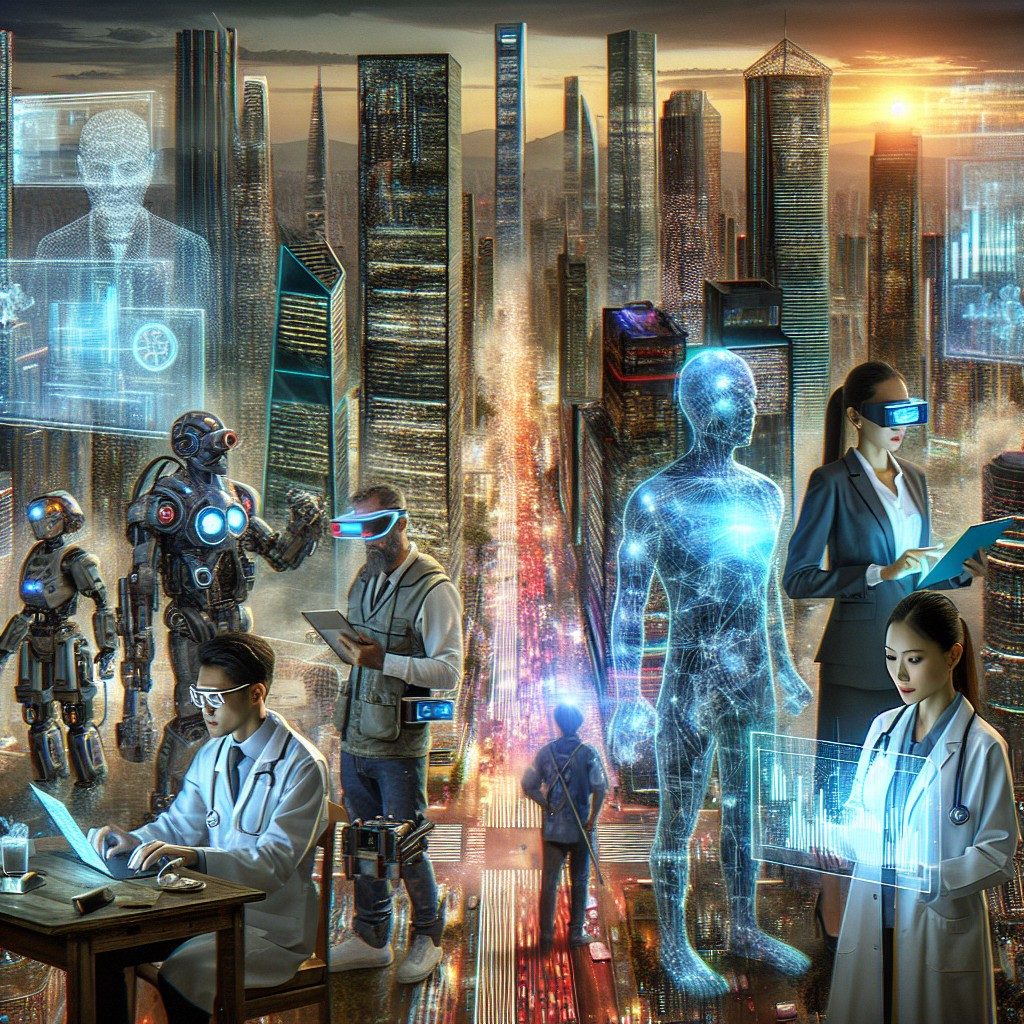
The rise of advanced technologies such as artificial intelligence, automation, and machine learning is significantly shaping employment statistics. According to data from the International Labour Organization, there is a high demand for skilled professionals who can work alongside these technologies rather than being replaced by them. Industries such as healthcare, information technology, and renewable energy are anticipated to experience significant job growth. The push towards a green economy is particularly noteworthy, as it is projected to create millions of new jobs in sectors related to sustainability and environmental protection.
Impact of Remote Work on Employment Trends
The COVID-19 pandemic has accelerated the trend towards remote working arrangements, which is expected to remain a permanent fixture in many industries. Employment statistics indicate that companies are increasingly adopting hybrid working models, allowing flexibility for employees while maintaining productivity. This shift requires new skills and adaptability from the workforce, leading to an increase in demand for training and development programs. According to a report by McKinsey & Company, about 25% of workers in advanced economies could work remotely three to five days a week without loss of productivity, influencing long-term employment structures.
Diversity and Inclusion in the Workforce
As businesses recognize the benefits of a diverse workforce, employment statistics are reflecting a growing commitment to diversity and inclusion initiatives. Employers are increasingly focusing on hiring practices that promote equality and accessibility across various demographic groups. By 2026, companies that prioritize diversity are projected to see enhanced innovation and improved business performance, making inclusion not just a social obligation but also a competitive advantage. Moreover, legislation aimed at promoting workplace equality is influencing how organizations approach their hiring and employment practices.
Conclusion
The employment landscape by 2026 is poised for significant changes driven by technology, the evolution of workplace culture, and a commitment to diversity. Stakeholders including policymakers, businesses, and job seekers must stay informed about these evolving employment statistics to adapt effectively. Understanding these trends will be crucial for navigating future challenges and seizing new opportunities in the job market.
Frequently Asked Questions about Employment Statistics
What are employment statistics and why are they important?
Employment statistics refer to data that provide insights into the labor market, including the unemployment rate, job creation, and workforce demographics. They are important as they help policymakers and businesses make informed decisions related to economic strategies.
How do employment statistics affect job seekers?
Employment statistics impact job seekers by providing insights into which sectors are hiring, the skills in demand, and the trends in workforce needs. Understanding these statistics can help individuals tailor their job search and skill development accordingly.
Where can I find reliable employment statistics?
Reliable employment statistics can be found on authoritative sites such as the International Labour Organization or the United States Bureau of Labor Statistics. These sources provide updated and comprehensive data relevant to employment trends.
How do technological advancements influence employment statistics?
Technological advancements can both create and eliminate jobs, influencing employment statistics. They drive the need for new skills while also changing workplace dynamics, requiring ongoing adaptation from workers.
What role does diversity play in employment statistics?
Diversity plays a significant role in employment statistics as organizations that adopt inclusive hiring practices tend to perform better. These practices enhance the labor pool and foster innovation, reflecting positively in employment trends.