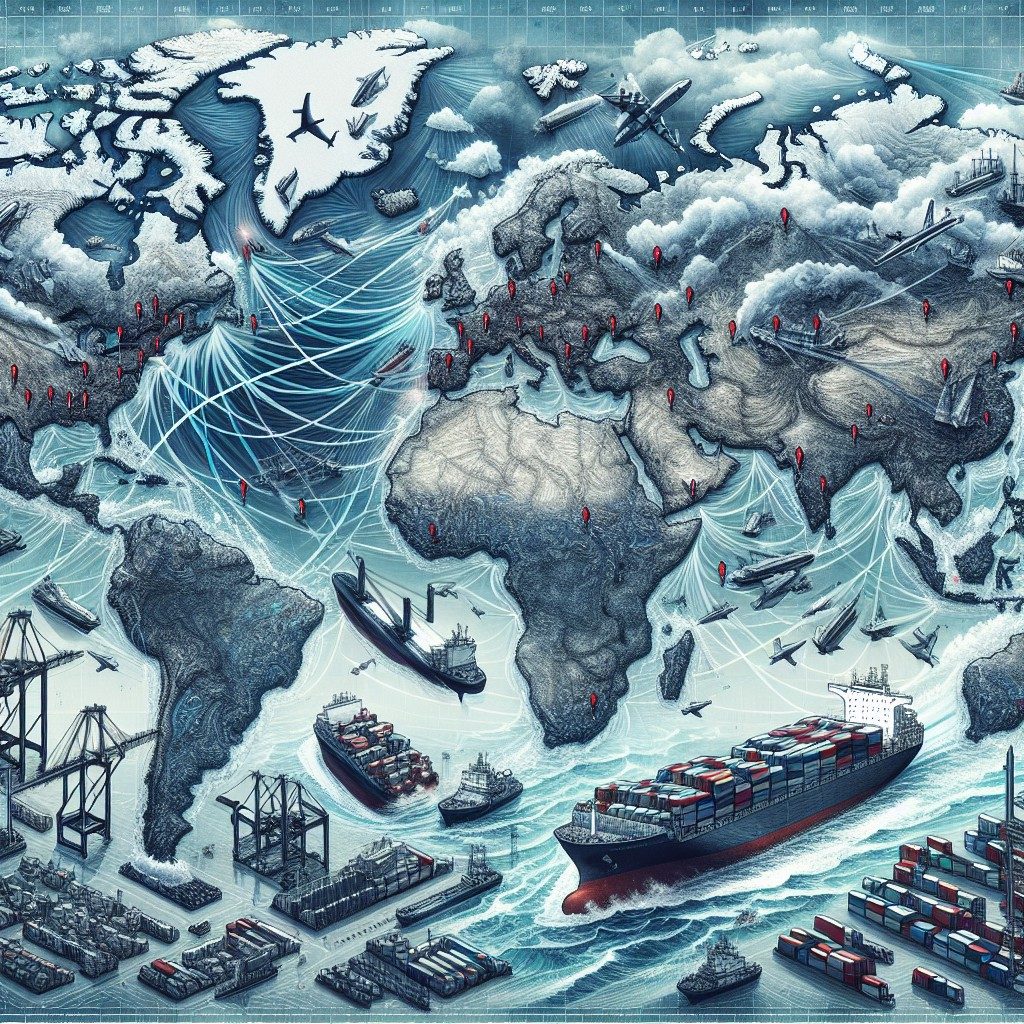
The global shipping industry has faced significant challenges recently, leading to widespread shipping disruption that affects the movement of goods worldwide. Understanding why these delays cascade and learning how to monitor them effectively is crucial for businesses and consumers alike.
Causes of Global Shipping Disruption
Shipping disruption stems from a combination of factors including port congestion, labor shortages, and unexpected geopolitical events. The COVID-19 pandemic intensified these issues by altering consumer demand and restricting workforce availability. Additionally, the scarcity of containers and imbalances in global trade routes contribute to bottlenecks that delay deliveries. Environmental factors such as severe weather events have further compounded these disruptions.
How Delays Cascade Throughout the Supply Chain
Delays in one node of the shipping network often produce a ripple effect across the entire supply chain. For example, a backlog at a major port delays vessel unloading, resulting in container shortages and delayed vessel departures. This in turn impacts subsequent ports and distribution centers waiting for shipments, creating a chain reaction. The tight scheduling and interdependence of various transportation modes magnify the consequences of any single delay, making it critical to manage factors proactively.
Tools for Tracking Shipping Disruption
Modern tracking technologies have evolved to provide transparency in the face of shipping disruption. Real-time vessel tracking platforms integrate Automatic Identification System (AIS) data to monitor ship locations and port statuses. Supply chain management software aggregates information from carriers, ports, and customs to predict delays and reroute shipments if necessary. Industry stakeholders increasingly rely on these tools to mitigate the impact of disruptions and maintain operational efficiency.
The Role of International Organizations and Authorities
Industry-wide cooperation is essential in addressing shipping disruption. International organizations such as the International Maritime Organization (IMO) and global news agencies provide critical data and guidelines. Moreover, financial institutions and logistics authorities publish reports and updates that help stakeholders understand evolving conditions. Access to authoritative information supports decision-making and helps coordinate responses to minimize disruption effects.
Future Outlook on Shipping Disruption
Experts anticipate that shipping disruption challenges will persist in the near term due to ongoing demand fluctuations and structural industry changes. However, increased investment in infrastructure, digitization, and alternative transport methods could alleviate some bottlenecks. The deployment of artificial intelligence and predictive analytics is expected to enhance forecasting capabilities, allowing for better anticipation and management of delays. Overall, adaptability remains key in navigating the dynamic environment of global shipping.
Frequently Asked Questions about shipping disruption
What is shipping disruption and why does it occur?
Shipping disruption refers to interruptions or delays in the normal flow of maritime cargo transport. It occurs due to factors like port congestion, labor shortages, and unforeseen events such as natural disasters or pandemics.
How do shipping disruptions impact global supply chains?
Shipping disruptions cause delays in freight delivery, which cascade through supply chains by affecting production schedules, inventory levels, and distribution timelines worldwide.
Can shipping disruption be predicted or tracked effectively?
Yes, with advancements in vessel tracking technologies and supply chain management systems, shipping disruption can be monitored in real time, aiding businesses in adjusting operations accordingly.
Who provides reliable information on shipping disruption worldwide?
Reliable information comes from international maritime organizations, global news outlets, and industry reports, which offer updates on port conditions and shipping network statuses.
What strategies help mitigate the effects of shipping disruption?
Strategies include diversifying transport routes, increasing inventory buffers, using real-time tracking tools, and collaborating with logistics partners to respond promptly to emerging delays.